
Concussion icon

Concussion Assessments

Safe, structured and evidence-informed concussion assessments with clear guidance for recovery and a confident return to sport, work and daily life.

Clear Answers and a Calm, Structured Plan

Concussion symptoms can be hard to read: headaches, fatigue, brain fog, dizziness, nausea, or sensitivity to light, sometimes all at once, sometimes building over the first few days. What makes concussion tricky is that symptoms do not always peak immediately after impact, and pushing through too soon, whether back to training, back to a demanding job, or even just back to screens, can slow recovery significantly. Hayley provides a structured assessment that goes beyond asking how you feel, testing balance, coordination, and neurological responses to get a clearer picture of how your brain is coping. From there you get honest guidance on what to avoid and a graded plan to bring you back safely.

Common reasons people book Concussion Assessments
  • Headache, dizziness, fatigue or brain fog after impact
  • Unsure when to safely return to sport, training or work
  • Ongoing symptoms needing clear checkpoints and guidance
  • Parents or athletes wanting a structured return plan
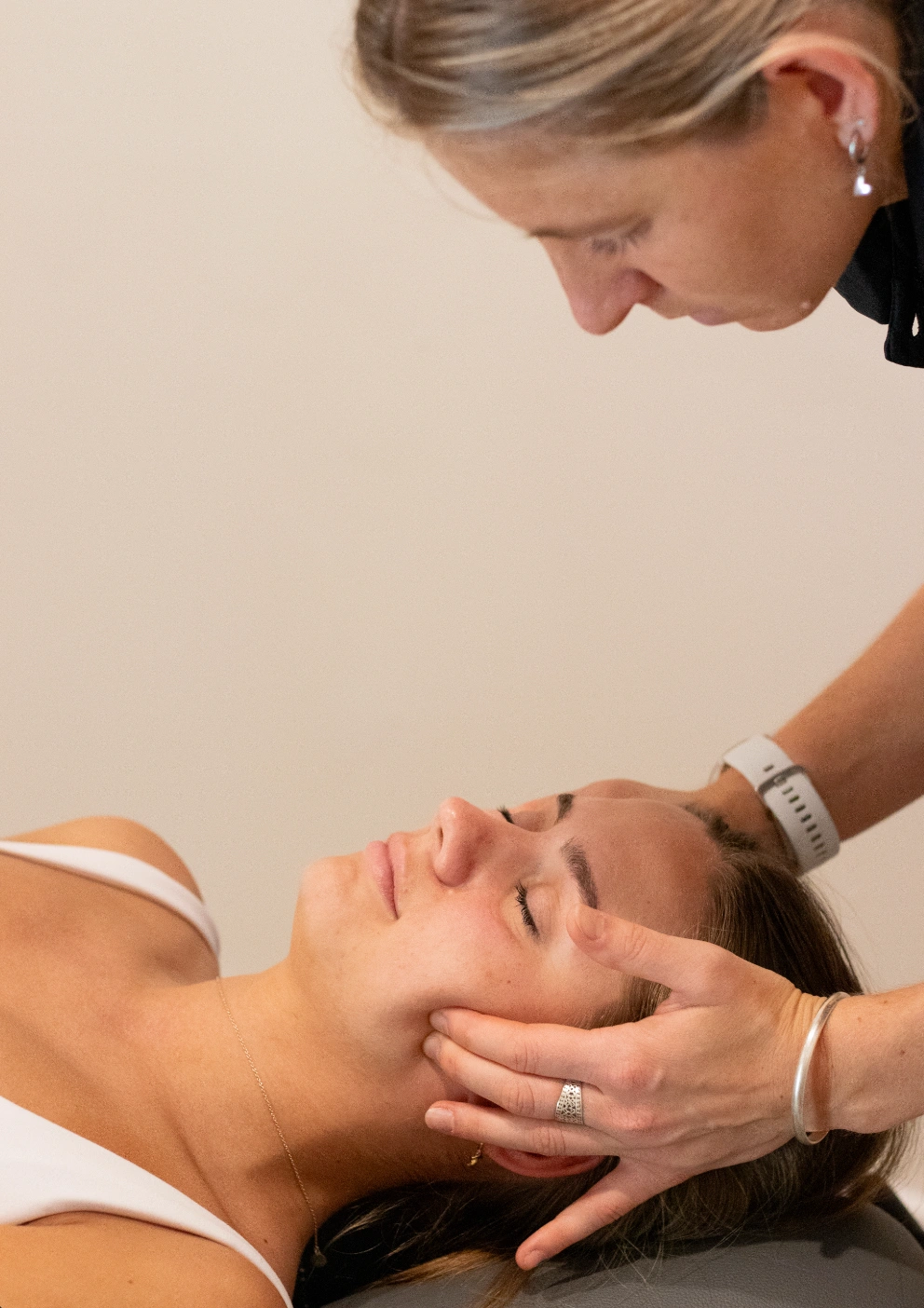
Concussion assessment at Health by Hayley

Hayley is an AHPRA-registered chiropractor who uses vestibular goggles as part of her concussion assessments. Vestibular goggles measure eye movement and balance responses, giving a more objective picture of how your brain and vestibular system are coping after impact, beyond just asking how you feel. This matters because concussion symptoms are not always obvious, and returning too soon or without a structured plan can extend recovery significantly. Hayley will map out a graded return to sport, training, or work that is specific to you, with clear checkpoints along the way so you are never guessing. She sees patients at Primrose Wellness Hub on Buderim High Street and is accessible to people from across the Sunshine Coast.

Concussion FAQs

Got questions about concussion assessments? Here are the ones Hayley gets asked most often.

Hayley uses a structured assessment that looks at your symptoms, balance, coordination, cognitive function, and neurological responses. She uses vestibular goggles to test eye movement and balance, which gives a more objective read on how your brain and vestibular system are coping after impact. From there she will explain what she found, what it means, and give you clear guidance on what to do next.

If you have had a knock to the head and are experiencing headaches, dizziness, brain fog, nausea, or sensitivity to light or sound, it is worth getting assessed. Even if symptoms feel mild, an early assessment gives you a clearer picture and helps you avoid doing things that could slow your recovery down.

No referral needed. You can book straight online. If you are unsure whether what you are experiencing is concussion-related, just reach out and Hayley will help you work out whether an assessment is the right next step.

A graded return is a staged approach that brings you back to full activity progressively rather than all at once. Each stage involves a specific level of activity, and you only move forward when you are symptom-free at the current level. Hayley will map this out for you so you know exactly what you can and cannot do at each point in your recovery.

For most people, symptoms resolve within two to four weeks. Some people, particularly those who have had previous concussions or who push through symptoms early, take longer. Hayley will give you an honest read on where you are at after your assessment and will check in as you progress through your return plan.

Ready to Get Started?

If you want clarity and guidance after a head knock, book a concussion assessment with Hayley. You will get a thorough screening and a personalised plan to support your recovery and return to everyday activities with confidence.

Book Appointment
© 2026 Health by Hayley. All rights reserved.